
Type 2 Diabetes & Semaglutide: A Modern Approach to Blood Sugar Control
Type 2 diabetes is a long-term metabolic condition that affects how the body processes glucose (blood sugar). Over time, high blood sugar levels can damage the heart, kidneys, eyes, nerves, and blood vessels if left unmanaged. Fortunately, advances in diabetes care have introduced effective treatment options such as semaglutide, which helps improve blood sugar control while offering additional health benefits.
Whether you’re newly diagnosed or looking for a better way to manage diabetes, understanding how semaglutide works can help you make informed decisions alongside your healthcare provider.
What Is Type 2 Diabetes?
Type 2 diabetes occurs when the body becomes resistant to insulin or doesn’t produce enough insulin to keep blood sugar within a healthy range. Common symptoms include:
- Frequent urination
- Increased thirst
- Constant hunger
- Fatigue
- Blurred vision
- Slow-healing wounds
- Unexplained weight changes
Managing blood sugar through lifestyle changes and medication is essential to reducing the risk of long-term complications.
What Is Semaglutide?
Semaglutide is a GLP-1 receptor agonist that mimics a naturally occurring hormone involved in blood sugar regulation. It helps lower blood glucose by:
- Stimulating insulin release when blood sugar is high
- Reducing glucose production by the liver
- Slowing stomach emptying to improve fullness
- Helping reduce appetite and calorie intake
These actions make semaglutide an effective treatment option for many adults living with Type 2 diabetes.
Related Article:- Weight Loss: Complete Guide to Lose Fat Fast & Naturally (2026)
How Semaglutide Helps People with Type 2 Diabetes?
Semaglutide offers multiple benefits beyond lowering blood sugar.
Better Blood Sugar Control
It helps improve HbA1c levels by supporting the body’s natural insulin response after meals.
Weight Management
Many people with Type 2 diabetes are overweight or obese. Semaglutide may help reduce body weight by decreasing appetite and promoting a feeling of fullness.
Heart Health Support
For eligible patients with Type 2 diabetes and cardiovascular disease, semaglutide has been shown to reduce the risk of certain major cardiovascular events when used as prescribed.
Convenient Dosing
Depending on the prescribed formulation, semaglutide may be taken once weekly by injection or once daily as an oral tablet.
Who May Benefit from Semaglutide?
Semaglutide may be considered for adults who:
- Have Type 2 diabetes that isn’t adequately controlled
- Need additional support lowering HbA1c
- Are you overweight or obese
- Have certain cardiovascular risk factors
Treatment decisions should always be made with a qualified healthcare professional.
Healthy Habits That Work Alongside Semaglutide:-
Medication is only one part of successful diabetes management. For the best results:
- Eat a balanced, high-fiber diet
- Stay physically active
- Monitor blood sugar regularly
- Maintain a healthy weight
- Get enough sleep
- Follow your prescribed treatment plan
Possible Side Effects:-
Like any medication, semaglutide may cause side effects, including:
- Nausea
- Vomiting
- Diarrhea
- Constipation
- Stomach discomfort
- Reduced appetite
Many digestive side effects improve as the body adjusts to treatment. Seek medical advice if symptoms are severe or persistent.
Frequently Asked Questions?
Can semaglutide cure Type 2 diabetes?
No. Semaglutide helps manage blood sugar but does not cure Type 2 diabetes.
Does semaglutide help with weight loss?
Many people lose weight while taking semaglutide, but individual results vary.
Is semaglutide suitable for everyone?
No. It is not appropriate for every patient. Your healthcare provider will determine whether it is right for you based on your medical history and overall health.
Medical Disclaimer:-
The information provided on this page is for educational and informational purposes only and should not be considered medical advice, diagnosis, or treatment. Semaglutide is a prescription medication that should only be used under the supervision of a qualified healthcare provider. Always consult your doctor before starting, stopping, or changing any medication or diabetes treatment plan. Individual results may vary, and this content is not intended to replace professional medical guidance.
-

Rybelsus 14 mg (Semaglutide)
Active Ingredient: Semaglutide Indication: Type 2 diabetes Manufacturer: Novo Nordisk India Packaging: 10 tablets in 1 strip Strength: 14mg Delivery Time: 10 To 15 days Price range: $230.00 through $610.00Rybelsus 14 mg (Semaglutide)
Price range: $230.00 through $610.00 -
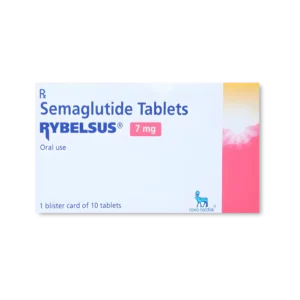
Rybelsus 7 mg (Semaglutide)
Active Ingredient: Semaglutide Indication: Type 2 diabetes Manufacturer: Novo Nordisk India Packaging: 10 tablets in 1 strip Strength: 7mg Delivery Time: 10 To 15 days Price range: $180.00 through $510.00Rybelsus 7 mg (Semaglutide)
Price range: $180.00 through $510.00 -

Rybelsus 3 mg (Semaglutide)
Active Ingredient: Semaglutide Indication: Type 2 diabetes Manufacturer: Novo Nordisk India Packaging: 10 tablets in 1 strip Strength: 3mg Delivery Time: 10 To 15 days Price range: $150.00 through $390.00Rybelsus 3 mg (Semaglutide)
Price range: $150.00 through $390.00