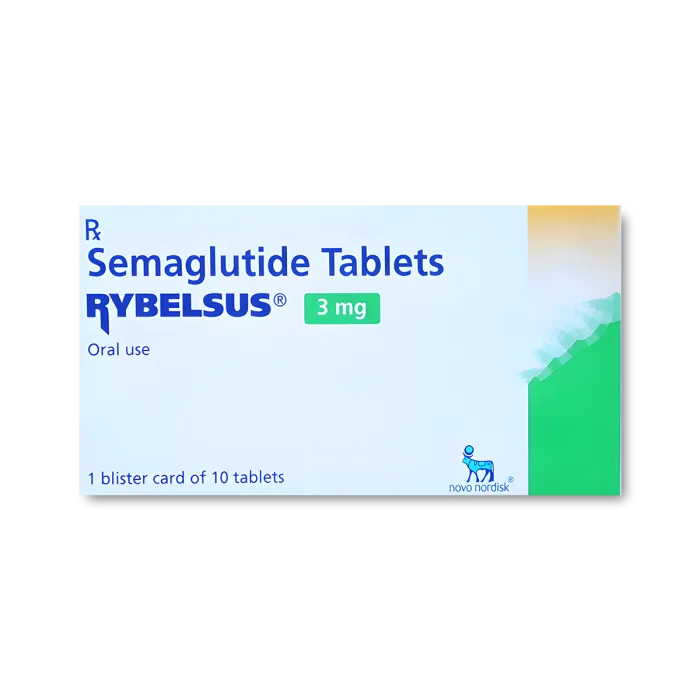
Rybelsus 3 mg (Semaglutide)
Price range: $150.00 through $390.00
| Active Ingredient: | Semaglutide |
|---|---|
| Indication: | Type 2 diabetes |
| Manufacturer: | Novo Nordisk India |
| Packaging: | 10 tablets in 1 strip |
| Strength: | 3mg |
| Delivery Time: | 10 To 15 days |
Description
Rybelsus 3 mg (Semaglutide) — A Complete Guide
Rybelsus 3 mg is a prescription medicine used to manage blood sugar levels in adults with type 2 diabetes. It contains an active ingredient called semaglutide, which belongs to a class of medicines known as GLP-1 receptor agonists. What makes Rybelsus different from other medicines in this group is that it comes as a tablet you swallow once a day. Before Rybelsus, GLP-1 medicines were only available as injections. This made Rybelsus a significant step forward for people who need this type of treatment but prefer not to use needles.
The 3 mg strength is the starting dose. It is not the full working dose of the medicine. Its main purpose is to help your body get used to semaglutide slowly, reducing the chance of stomach-related side effects during the first month of treatment. After 30 days, the dose is increased to 7 mg, which is where the medicine begins to lower blood sugar more effectively.
What Is Semaglutide?
Semaglutide is the active ingredient in both Rybelsus (oral tablet) and Ozempic (weekly injection). It is a man-made version of a natural hormone in the body called GLP-1, which stands for glucagon-like peptide-1. This hormone is released naturally after you eat a meal and plays an important role in keeping blood sugar levels balanced.
In people with type 2 diabetes, this system does not work as well as it should. The body either does not produce enough insulin or does not respond to it properly, causing blood sugar to stay high. Semaglutide steps in to support this process and help bring blood sugar back to a healthier range.
How Does Rybelsus 3 mg Work?
Rybelsus 3 mg works in three main ways inside the body.
First, it stimulates insulin release. When blood sugar rises after a meal, Rybelsus signals the pancreas to produce more insulin. Importantly, it only does this when blood sugar is already high. This means it does not cause unnecessary insulin release, which reduces the risk of blood sugar dropping too low.
Second, it reduces glucose from the liver. In type 2 diabetes, the liver often releases too much stored glucose into the blood even when it is not needed. Rybelsus helps reduce this, which keeps blood sugar levels steadier throughout the day.
Third, it slows digestion. Rybelsus slows the rate at which food leaves the stomach and enters the intestines. This means sugar from food is absorbed more gradually, preventing the sharp blood sugar spikes that often happen after eating.
Together, these three actions help keep blood sugar within a healthier range throughout the day and night.
How to Take Rybelsus 3 mg?
Taking Rybelsus 3 mg correctly is very important. Unlike most tablets, Rybelsus has strict instructions about timing and what you can consume around the time you take it. If these are not followed, the medicine will not be absorbed properly and will not work as it should.
- Take Rybelsus first thing in the morning, before doing anything else
- Swallow the tablet whole with a small sip of plain water — no more than half a glass (about 120 ml)
- Do not eat, drink anything other than that small amount of water, or take any other oral medicines for at least 30 minutes after taking Rybelsus
- Do not crush, split, or chew the tablet
The reason for these strict rules is the way the tablet is made. Rybelsus contains a special ingredient called SNAC that helps semaglutide get absorbed through the stomach lining. This process only works properly in an empty stomach. Even a small amount of food, coffee, or juice can interfere with absorption and significantly reduce how much of the medicine enters your bloodstream.
Many patients find it helpful to keep the tablet on their bedside table and take it immediately upon waking, before getting up for the day.
Dosing and Dose Increases:-
Rybelsus 3 mg follows a step-by-step dosing plan:
Month 1 — 3 mg once daily. This is the initiation phase. The 3 mg dose is low enough that most people tolerate it well, with minimal or manageable side effects. It does not provide strong blood sugar-lowering on its own. Its purpose is to prepare your body for the higher doses.
Month 2 onward — 7 mg once daily.y After 30 days on 3 mg, your doctor will increase the dose to 7 mg. This is the first fully therapeutic dose, and it is where noticeable improvements in blood sugar control begin.
If further control is needed — 14 mg once daily If your blood sugar targets arestilll not being met after. If at least 30 days on 7 mg, your doctor may increase to 14 mg. This is the highest available dose of Rybelsus and provides the greatest blood sugar-lowering effect.
It is important not to skip the 3 mg initiation phase or rush through the dose increases. Taking a higher dose too early raises the risk of nausea, vomiting, and other stomach problems.
What Benefits Can You Expect?
Rybelsus 3 mg has been studied extensively in a large clinical trial program called PIONEER, which included thousands of patients with type 2 diabetes across multiple countries. These trials helped establish the safety and effectiveness of the medication at all three dose levels.
Blood sugar reduction. At the 7 mg dose, Rybelsus lowered HbA1c (a measure of average blood sugar over 3 months) by around 0.9% from baseline. At 14 mg, the reduction was approximately 1.1%. The 3 mg starting dose showed a modest reduction of around 0.6%, which is expected given its role as an initiation dose.
Weight loss. Many patients experience some weight loss while taking Rybelsus. This is because semaglutide also acts on appetite centers in the brain, making you feel fuller sooner and reducing overall food intake. The weight loss is usually gradual and moderate, more noticeable at higher doses.
Low risk of hypoglycemia. Because Rybelsus only triggers insulin release when blood sugar is already elevated, the risk of blood sugar going too low is minimal when used as a standalone treatment. This is a significant advantage over older diabetes medicines like sulfonylureas.
Cardiovascular safety. The PIONEER 6 trial specifically looked at the heart safety of Rybelsus. Results showed it was safe for the cardiovascular system and did not increase the risk of heart attack or stroke in people with type 2 diabetes who were at high cardiovascular risk.
Convenience. For many patients, the biggest benefit is simply that it is a tablet. Not having to deal with injections, needles, or weekly dosing schedules makes it easier to stick to the treatment long-term.
Common Side Effects:-
Like all medicines, Rybelsus 3 mg can cause side effects. The most common ones affect the stomach and digestive system, particularly in the early weeks of treatment. They include:
- Nausea — the most frequently reported side effect
- Diarrhea
- Stomach pain or discomfort
- Vomiting
- Reduced appetite
- Constipation
- Indigestion or bloating
These side effects are usually mild to moderate. They tend to appear in the first few weeks and gradually improve as the body adjusts. Starting at 3 mg and increasing the dose slowly is specifically designed to reduce the severity of these effects.
A few practical tips that can help reduce stomach side effects include eating smaller meals, avoiding very fatty or rich foods, eating slowly, and staying well hydrated throughout the day.
Serious Side Effects:-
While less common, there are some more serious side effects associated with Rybelsus 3 mg that are important to know about.
Pancreatitis. Inflammation of the pancreas has been reported in people taking GLP-1 medicines, including semaglutide. Symptoms include severe and persistent pain in the stomach or back. If you experience this, stop taking Rybelsus and contact your doctor immediately.
Kidney problems. Severe vomiting or diarrhea can lead to dehydration, which may put strain on the kidneys. People with existing kidney disease should be monitored carefully while taking Rybelsus.
Vision changes. In some people with existing diabetic eye disease (retinopathy), rapid improvement in blood sugar control can temporarily worsen vision. Your doctor may recommend an eye check before starting treatment if you have this condition.
Hypoglycemia with other medicines. While Rybelsus alone rarely causes low blood sugar, the risk increases significantly if it is used alongside insulin or sulfonylureas. If you take these medicines together, you and your doctor may need to adjust your doses carefully.
Allergic reactions. Though rare, some people may experience allergic reactions, including rash, itching, swelling of the face or throat, or difficulty breathing. Seek urgent medical help if this happens.
Who Should Not Take Rybelsus 3 mg?
Rybelsus 3 mg is not suitable for everyone. You should not take this medicine if you:
- Have type 1 diabetes
- Have a personal or family history of medullary thyroid carcinoma (a type of thyroid cancer)
- Have Multiple Endocrine Neoplasia syndrome type 2 (MEN 2)
- Are you pregnant or planning to become pregnant
- Are breastfeeding
- Have a known allergy to semaglutide or any other ingredient in the tablet
Always give your doctor a full list of all medicines you are currently taking. Because Rybelsus needs to be taken 30 minutes before other oral medicines, it can affect the timing and potentially the absorption of other tablets you take in the morning.
How Does Rybelsus 3 mg Compare to Ozempic?
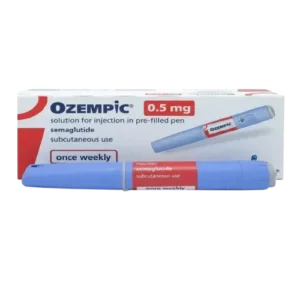
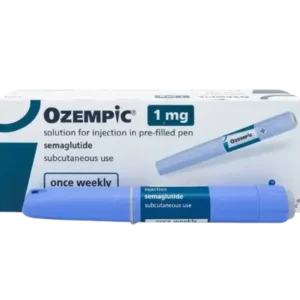
Both Rybelsus and Ozempic contain semaglutide, but they are used differently. Ozempic is given as a weekly injection under the skin, while Rybelsus is taken as a daily oral tablet.
Ozempic at higher doses tends to produce greater blood sugar reduction and more significant weight loss than oral Rybelsus. However, for patients who cannot tolerate injections or simply prefer an oral option, Rybelsus offers a meaningful alternative with the same active ingredient.
The choice between the two depends on your personal preference, how well you tolerate each form, and what your doctor recommends based on your overall health.
Learn About Semaglutide & Weight Loss:- Weight Loss: Complete Guide to Lose Fat Fast & Naturally (2026).
Storage and Everyday Tips
- Store Rybelsus at room temperature, between 20°C and 25°C
- Keep it in the original bottle with the small desiccant pack inside — this protects the tablets from moisture
- Do not store it in the refrigerator or freezer
- Keep it out of reach of children
- If you forget a dose, skip it for that day and take it as normal the next morning — never take two doses on the same day
Frequently Asked Questions (FAQs) – Rybelsus 3 mg?
1. What is Rybelsus 3 mg used for?
Rybelsus 3 mg is an oral medication used to help control blood sugar levels in adults with type 2 diabetes. It works best when combined with a healthy diet and regular exercise.
2. Is Rybelsus 3 mg a starting dose?
Yes, Rybelsus 3 mg is typically the starting dose prescribed at the beginning of treatment. It allows the body to gradually adjust to the medication before the dosage may be increased.
3. How should I take Rybelsus 3 mg?
Rybelsus 3 mg should be taken once daily on an empty stomach. Take the tablet with a small amount of plain water and wait at least 30 minutes before eating, drinking, or taking other medications.
4. Can I take Rybelsus 3 mg with food?
No, the tablet should not be taken with food. Eating or drinking too soon after taking the medication may reduce its effectiveness.
5. How long do I need to take the 3 mg dose?
The 3 mg dose is usually taken for about 30 days as a starter dose. After this period, your healthcare provider may increase the dosage depending on your blood sugar response.
6. Does Rybelsus 3 mg help with weight loss?
Some people may experience mild weight loss while taking Rybelsus, but the primary purpose of this medication is to help manage blood sugar levels in people with type 2 diabetes.
7. What are the common side effects of Rybelsus 3 mg?
Some common side effects may include nausea, stomach discomfort, vomiting, diarrhea, or decreased appetite. These effects are usually mild and may improve as the body adjusts to the medication.
8. What should I do if I miss a dose?
If you miss a dose, skip the missed tablet and continue with your regular dosing schedule the next day. Do not take two tablets at the same time to make up for a missed dose.
9. Can Rybelsus 3 mg be used for long-term diabetes management?
The 3 mg dose is generally not intended for long-term blood sugar control. It is mainly used as a starting dose before switching to higher strengths if required.
Disclaimer:-
The information provided in this article is for educational and informational purposes only. It is not intended to be a substitute for professional medical advice, diagnosis, or treatment. Always seek the guidance of your doctor, pharmacist, or other qualified healthcare professional with any questions you may have regarding a medical condition or medication. Never disregard professional medical advice or delay seeking it because of something you have read here. If you are currently taking any medication or have an existing health condition, consult your healthcare provider before making any changes to your treatment plan. Individual results may vary. The content of this article is based on general medical information and may not apply to every patient. Only a qualified healthcare professional who knows your full medical history can give you advice that is right for your specific situation.
Similar Brands:-
Specification
Additional information
| mg | 3 Mg |
|---|---|
| unit | 20 Tablets, 40 Tablets, 60 Tablets |
Reviews
There are no reviews yet.